27/10/2026
Chữ tình trong văn hoá trà Việt
Có thể nói, văn hóa trà Việt bắt nguồn từ dòng chảy văn hóa dân gian Việt Nam. Nguồn chảy vô tận đó đã hình thành, phát triển và tồn tại cho đến ngày nay dễ đến hàng ngàn năm...
Cho nên văn hóa trà Việt đậm chất dân gian. Nó được sinh ra từ dân gian, từ tín ngưỡng, từ cuộc sống tinh thần và tình cảm chân tình của người Việt. Văn hóa trà Việt độc đáo, khác lạ so với nhiều văn hóa trà và đạo trà của các dân tộc khác, các nước khác. Ở đây tác giả chỉ xin nói trong bài viết này là chữ Tình. Chữ Tình nặng hay nhẹ, thiêng liêng hay cao quý đến đâu; có lẽ điều này tùy từng người nhìn nhận mà thôi. Thực tế cuộc sống, giữa con người với con người nếu thiếu chữ Tình thì khó sống với nhau lắm. Nếu chúng ta thiếu sự cảm thông, sự chia sẻ, sự bao dung và tin cậy lẫn nhau bắt nguồn từ chữ Tình thì cuộc sống khó có thể thanh thản và yên vui được. Kể cả giữa cá nhân với nhau, giữa cá nhân với xã hội và với cả loài người cũng thế.
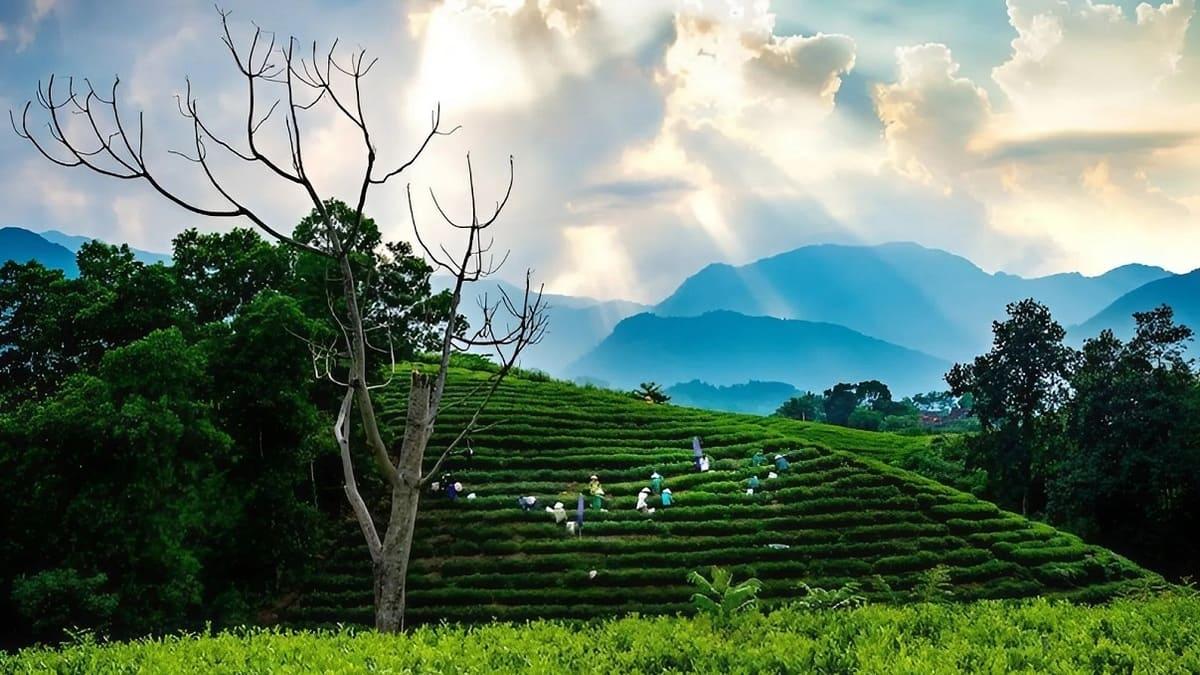
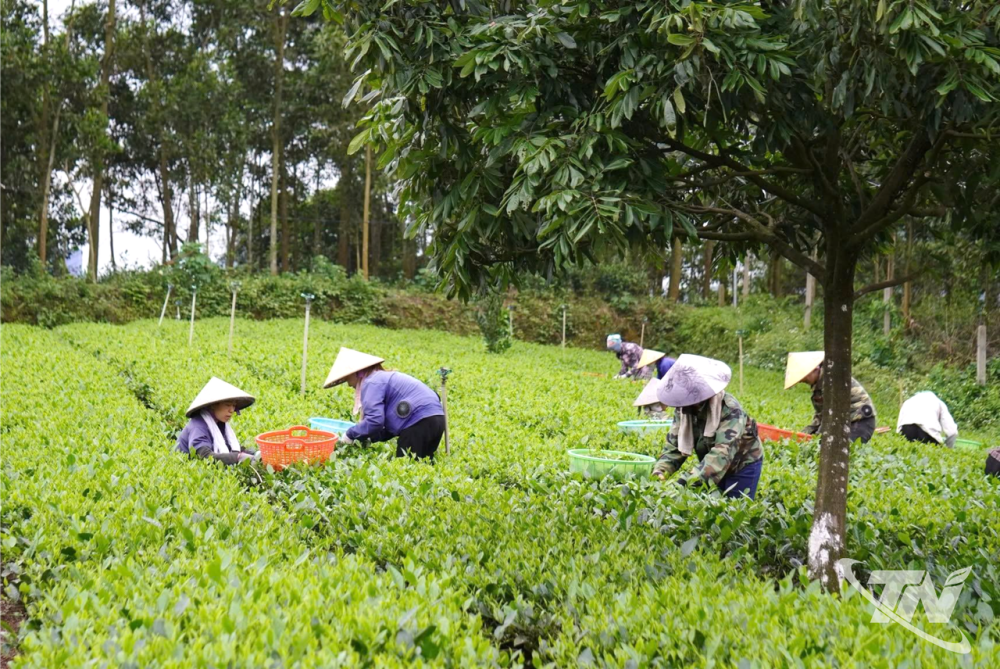
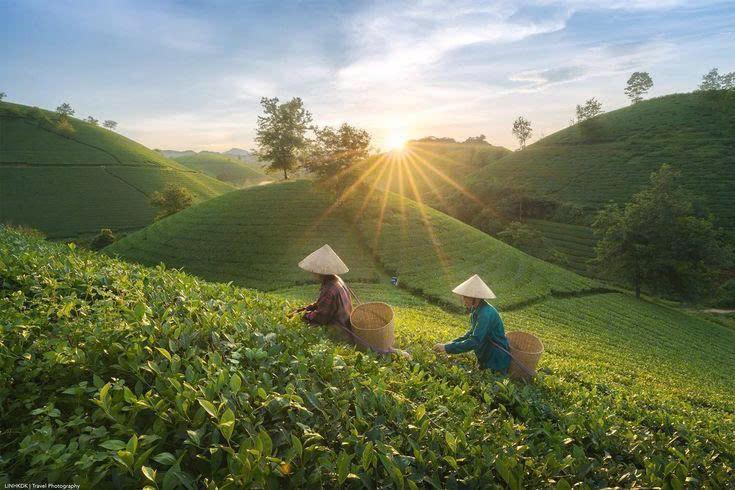
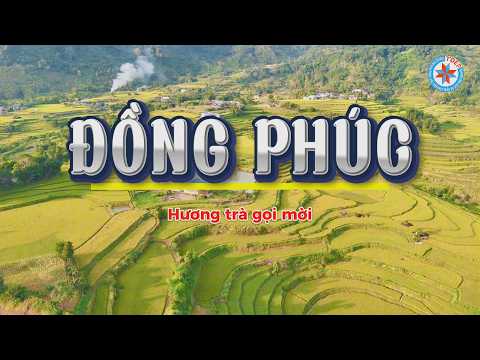
Quê tôi. Ảnh: Khánh Vân
Xin được nói đến văn hóa trà của người Trung Quốc. Sự xuất hiện của tục uống trà và trà đạo của người Trung Quốc có từ rất xa xưa. Sách cổ ghi chép một chuyện vui: Vua Thần Nông nếm 100 loài thảo mộc trong 01 ngày, bị ngộ độc 72 lần và phải dùng trà để giải độc. Vào thời xưa, trà được xem như tiên dược, thần dược quý giá vô cùng. Vào thời này người ta đã trồng được các loại chè cao cấp tên là “Kỳ Thương”. Sách “Phong Thi Vân Ký” có chép “Trà đạo được phổ biến rộng rãi các bậc vương công, các quan trong triều không ai không uống trà”. Thời Bắc Tống “Phủ Khai Phong, Hà Nam, Bắc Sơn Tự có trà phường, trong trà phường có tiên đồng, tiên kiều, mỹ nữ, ban đêm thường đi uống trà ở đó”. Danh sĩ Triệu Cát đời Tống thừa nhận “Trà có hương thơm, có thể làm cho người an tĩnh, nhàn nhã thú vị vô cùng” . Ông Lục Vũ sống thời nhà Đường là ông tổ của trà đạo Trung Quốc. Ông viết cuốn “Trà Kinh” để dạy cách uống trà, từ cách thức thao tác và hoàn cảnh uống trà được nghiên cứu rất kỹ. Quy trình, nghi thức được chia ra gồm: “Trà yến cung đình”, – “Trà yến tự viện”, – “Trà yến văn nhân”.
Thế kỷ thứ 8, một nhà sư người Nhật Bản đem một ít hạt giống chè từ Trung Quốc về trồng ở Duệ Sơn. Mãi đến thời “Đại phong Tú Cát” (Thế kỷ 16) người Nhật mới giương cao ngọn cờ trà đạo và đã đúc kết thành 04 quy định và 07 phép tắc trong tiệc trà. Bốn quy định đó là: “Hòa – Kính - Thanh – Tịch”. Nghĩa là Hòa là hòa hợp. Kính là Tôn kính. Thanh là Thuận khiết u tĩnh. Tịch là làm cho tinh thần ý tứ trầm lắng, an tĩnh, gạt bỏ mọi dục vọng. Còn 7 phép tắc thì có phần cụ thể hơn, buộc người khách đến uống trà phải tuân thủ. Lịch sử trà cho thấy, trà đạo Nhật bắt nguồn từ thiền trà đời nhà Tống (Trung Quốc). Trà đạo Nhật được sinh ra, hình thành và phát triển nhằm đáp ứng nhu cầu cuộc sống của các tu sĩ phái thiền tông. Đáp ứng các vương tôn quý tộc các tăng nhân và tầng lớp võ sĩ đạo “Samurai”…
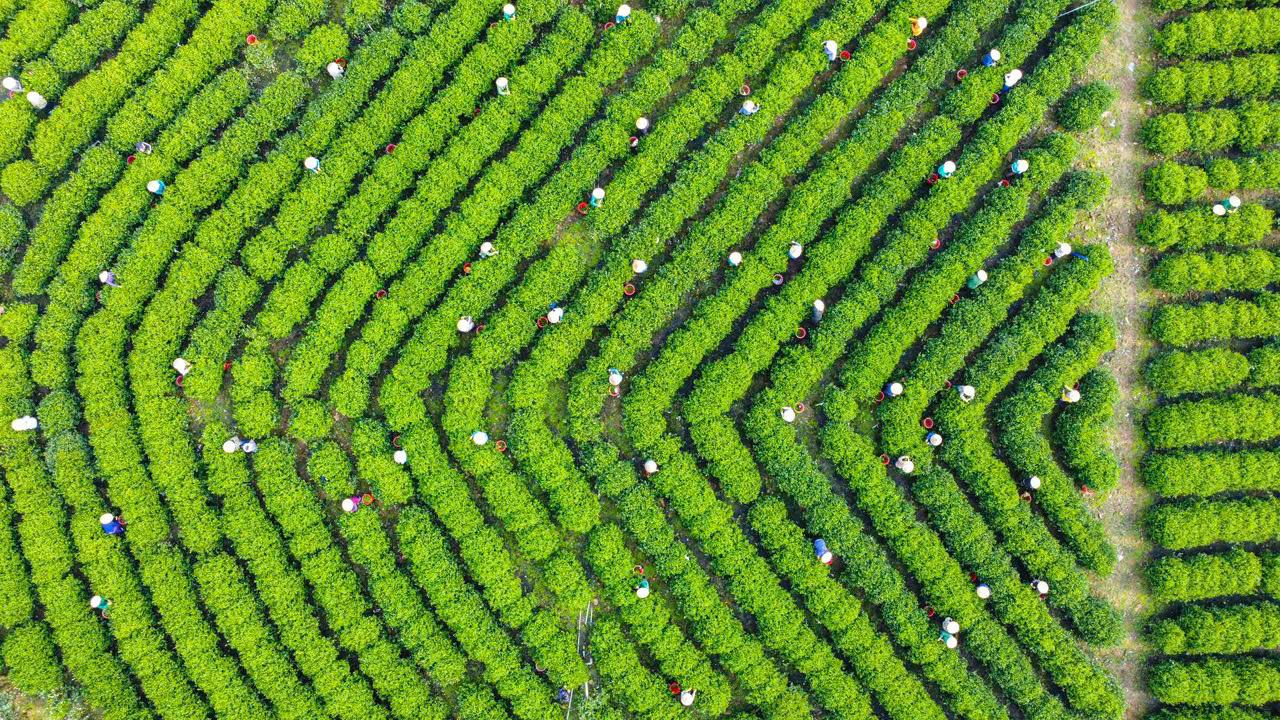
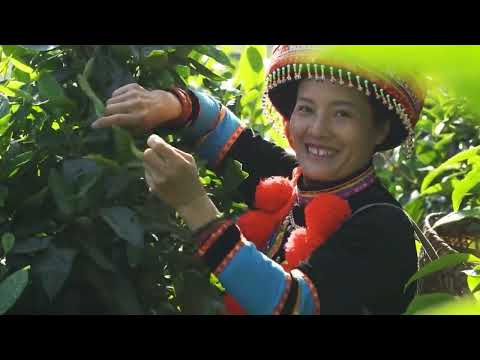
Vào vụ. Ảnh: Ngọc Hải
Thực ra, trà đạo Trung Quốc và trà đạo Nhật Bản đều có chung một nguồn gốc. Nhưng mỗi nước đi con đường, nhanh chậm khác nhau nên bản sắc văn hóa trà của họ cũng khác nhau. Trên con đường phát triển đến ngày nay, họ dựa vào lực lượng chính là tầng lớp trên, tầng lớp tăng lữ, tầng lớp những con người đặc biệt. Tầng lớp những người có quyền thế, những người có tiền và ưa thích ham chơi. Còn những người bình thường, những người nghèo khổ thì sao? Những người nông dân trồng chè, những nông phu ở các đồn điền chè, những con người trực tiếp trồng, chăm sóc, thu hái, chế biến và buôn bán chè; những nghệ nhân chè, những thương nhân lớn nhỏ họ đều có vai trò cô cùng quan trọng đã góp phần thúc đẩy sự phát triển đặc biệt của trà đạo hai nước bạn.
Xin trở lại với văn hóa trà Việt. Sách chính sử “Đại Việt sử ký toàn thư” do các sử gia nổi tiếng nước ta biên soạn (bắt đầu từ Nhà sử học Lê Văn Hưu đời Trần; đến Phan Phu Tiên, Ngô Sĩ Liên, Phạm Công Trứ, Lê Hy thời Lê biên soạn). Do Nhà xuất bản Khoa học xã hội xuất bản năm 2004 (do giáo sư, viện sĩ Nguyễn Khánh Toàn, giáo sư Phan Huy Lê, dịch giả Ngô Đức Thọ, giáo sư Hà Văn Tấn cùng thực hiện). Quyển ba kỷ nhà Lý, thời Lý Nhân Tông (1072 -– 1127). Trong Đại Việt sử ký toàn thư có ghi: “Kỷ Hợi, tháng 5, mở hội khánh thành chùa Tịnh Lự. Rồng hiện ở hàng bán nước chè ở Kinh sư”. Rồng hiện là điều thiêng liêng, là điềm lành, là điều may mắn lớn. có lẽ đây là lần đầu tiên rồng hiển linh ở hàng bán nước chè bình dân! phải chăng vào thời đó nước chè đã trở thành thức uống cao quý? hay những búp chè, lá chè đã tích tụ linh khí của đất trời trở thành báu vật huyền diệu và cao cả. Tục uống nước chè của nười Việt cách đây hàng ngàn năm đã hấp dẫn huyền bí và linh thiêng đến mức rồng hiện về ở hàng bán nước chè bình dân.
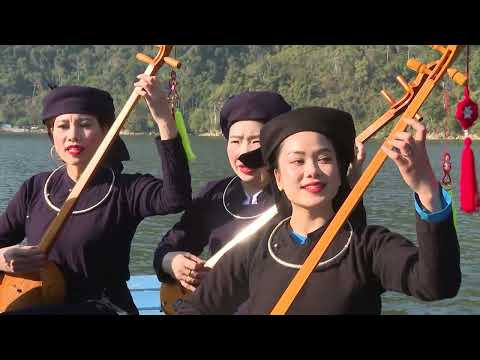
Theo ý kiến của tác giả, văn hóa trà Việt có những điều cốt lõi, có những điều là bản chất. Nó như xương sống, như trục chính đỡ lấy toàn bộ nền văn hóa trà Việt. Nó được thể hiện ở một số chữ nghĩa, mỗi chữ đều có vị trí đặc biệt và tầm quan trọng khó có thể thay thế được. Ở đây tác giả chỉ xin nói đến một chữ Tình. Dân gian gọi là cái Tình. Đây là điều vô cùng quan trọng nó là một trụ đỡ cơ bản của văn hóa trà Việt. Văn hóa trà Việt do những người dân bình thường, những nhà trí thức yêu văn hóa Việt sáng tạo. Nó được sinh ra để phục vụ mọi tầng lớp người dân. Nó đã hóa thành ca dao, tục ngữ, dân ca, đồng dao, hò vè, câu đố và câu đối của người Việt. Rất ít nước nào có một nền văn hóa đạt đến độ dân gian cao như thế. Đây là cách ứng xử phong phú, đa dạng của những người yêu văn hóa trà Việt. Gần đây, có một tác giả tên là Khắc Thành vì yêu trà Việt đã dày công sưu tập, biên dịch và xuất bản gần 300 bài dân gian khác nhau. Tiêu biểu có đến 140 câu ca dao, 60 câu tục ngữ, gần 100 câu dân ca, đồng dao, hò vè câu đố và câu đối về văn hóa trà Việt. Như “Ai lên chợ Thái buôn chè / để anh buôn ấm ngồi kề một bên/ – chè ngon nấu với ấm bền/ – chè ngon được nước, ấm bền được lâu”. “Ai về Hà Tĩnh thì về - mặc lụa chợ Hạ uống chè Hương Sơn”. “Sống mà được bát nước chè/ – chết đi chẳng có tò te thì đừng”. “Đôi ta như đọi nước chè/ – yêu nhau thì lấy chớ nghe ai gièm”. “Trà kia không béo mà thèm/ – Người kia không mến mà đem làm phiền”. Hay câu tục ngữ : “Nước chè xanh vừa lành vừa mát”. “Uống chè phải có bạn hiền”. “Bát chè đặc uống say - lời nói hay nghe sướng”. Một số câu dân ca “Khách đến chơi nhà – đốt than, quạt nước pha trà mời người xơi” (Dân qua quan họ Bắc Ninh). “Một chén chè thơm đây mời đằng ấy/ – Uống chén trả rồi đấy hát đây nghe” (ví người Dao Phú Thọ) “Ấm thủy tinh đựng nước chè xanh/ – Rót chén bạch định mời anh xơi trà” (Hát thường vải Nghệ An). “Lắng nghe chim hót véo von/ – Có tiên cô Tám hái chè non trên ngàn/ – Lá chè làm thuốc làm thang/ Búp chè trị bệnh trần gian cứu người” (cô Tám đồi chè, hát văn đạo mẫu)…
Để làm phong phú thêm, các bậc danh nhân, trí thức đã đóng góp quan trọng vào sự phát triển của văn hóa trà Việt. Tiêu biểu là cụ Nguyễn Trãi, trong “Ức Trai thi tập” và “Quốc âm thi tập” có rất nhiều câu thơ về trà. Cụ Nguyễn Trãi coi thơ, trăng và trà là ba thứ quan trọng trong cuộc sống của cụ. Cụ Cao Bá Quát, uống trà như một đạo sĩ, ung dung tự tại: “…rửa tay sạch ngồi khề khà uống rất là khoái!”. Nhà bác học Lê Quý Đôn trong sách “Vân Đoài loại ngữ”, cụ Phạm Đình Hổ trong sách “Vũ Trung tùy bút” cũng nói nhiều về trà. Những danh nhân văn hóa như Hồ Xuân Hương, cụ Phan Bội Châu, các nhà văn nhà thơ như Nguyễn Bính, Thạch Lam, Phạm Tiến Duật, Trần Đăng Khoa… đều viết về văn hóa trà.
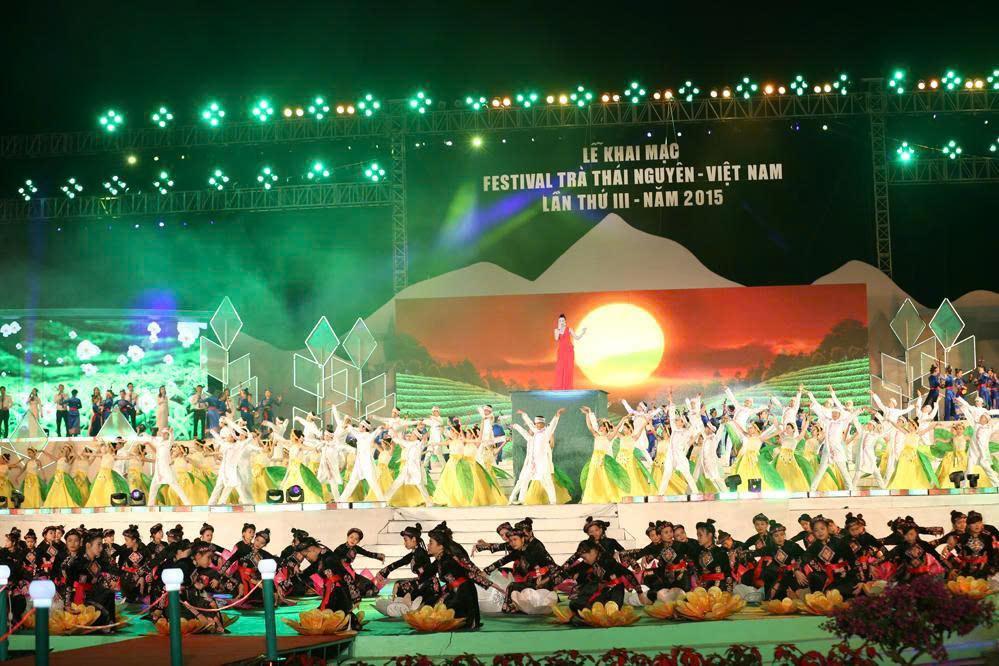
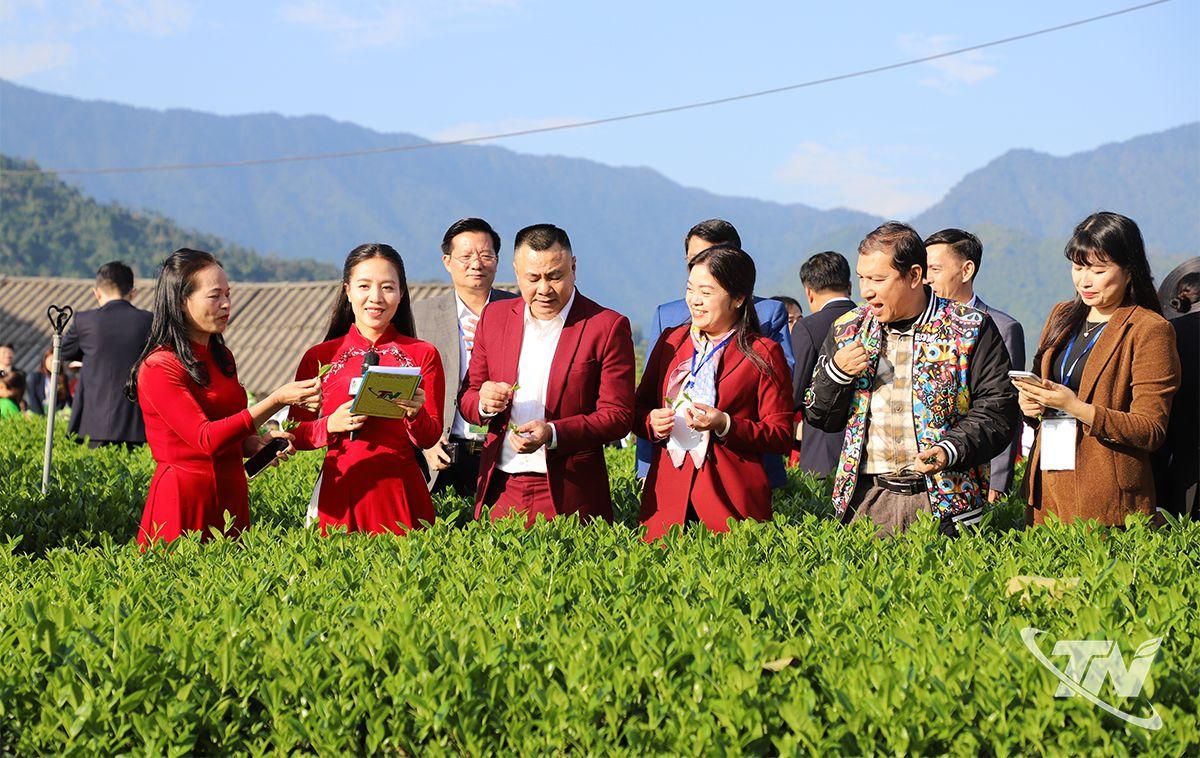
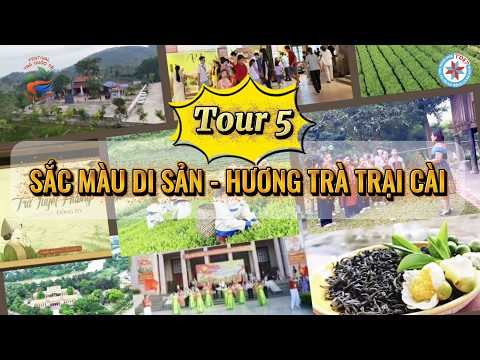
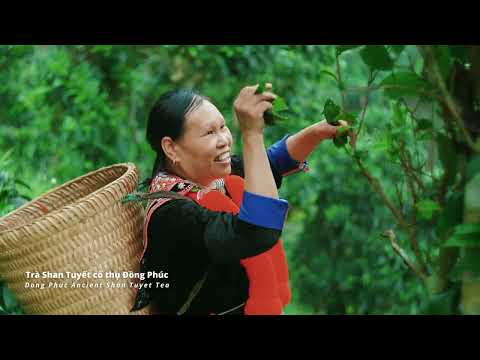
Có lẽ nhiều người còn phân vân, đắn đo liệu có một nền văn hóa trà Việt hay không. Xin các vị ngẫm lại mà xem, cách đây hàng ngàn năm rồng thiêng đã hiển linh ở hàng bán nước chè ở kinh sư. Làm chè, uống chè đã đi vào ca dao, tục ngữ, đi vào thơ ca nhạc họa đã làm say đắm biết bao tao nhân mặc khách. Còn văn hóa trà Thái Nguyên, nằm trong dòng chảy của văn hóa trà Việt. Vừa độc đáo vừa hấp dẫn, bởi nơi đây sản sinh ra chè móc câu, chè tôm, chè nõn, chè đinh ngon nức tiếng “Thái Nguyên đệ nhất danh trà”. Vào một dịp khác, tác giả xin được bàn luận những trụ đỡ quan trọng khác của văn hóa trà Việt. Bài viết này chỉ dành cho chữ Tình hay cái Tình mà thôi. Cái Tình không phân biệt sang hèn, cái Tình giữa những người lương thiện với nhau. Cái lý cái tình của văn hoá trà Việt là thế mãi mãi trường tồn cùng dân tộc.